— The collection
Ear Piercing
From lobe to cartilage, curate your ear.
Ear piercing jewellery for every spot and every style, from the lobe to the cartilage. Studs, hoops, labrets and charms to build your own curated ear, piece by piece. At Aurea, every design is made from certified, nickel-free material, so your ears stay happy as you mix metals and stack your looks. Shop it in titanium or a gold finish, across the helix, conch and tragus.
-

Gold Cartilage Hoop
22,90€
-

Titanium Cartilage Hoop
22,90€
-
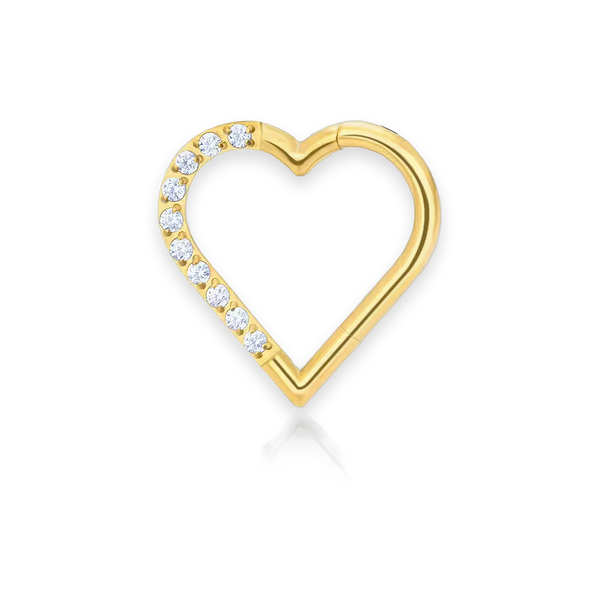
Gold Daith Heart Clicker
24,90€
-

Titanium Daith Heart Clicker
24,90€
-
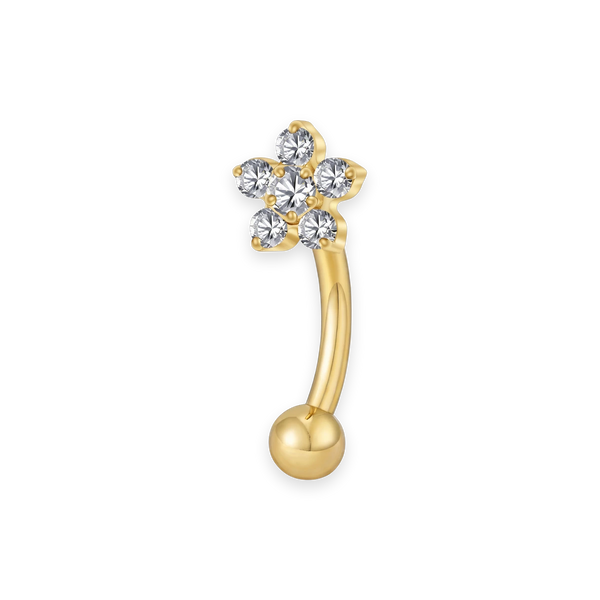
Gold Rook Curved Barbell
16,90€
-

Titanium Rook Curved Barbell
16,90€
-

Gold Pavé Seamless Ring
23,90€
-

Titanium Pavé Seamless Ring
23,90€
-
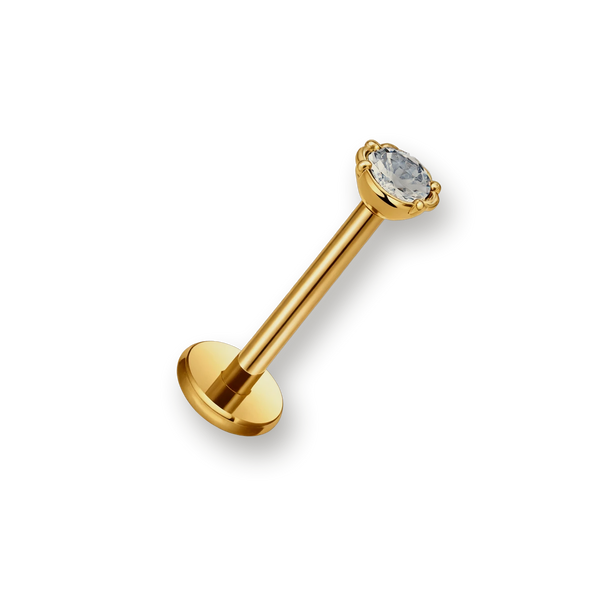
Gold Flat Back Labret
24,90€
-

Titanium Flat Back Labret
24,90€


The different ear piercings
The ear is the most versatile place to pierce. From the soft lobe to the firm cartilage of the upper ear, every spot has its own look, its own healing time and its own ideal jewellery. Here are the main ear piercings, from the easiest to the most advanced:
- Lobe — the classic first piercing. Quick to heal and happy with studs or small hoops.
- Helix — the outer rim of the upper cartilage, and a favourite for stacking.
- Forward helix — the small cartilage just above the tragus, close to the face.
- Tragus — the little flap in front of the ear canal. Discreet and very popular.
- Conch — the inner shell of the ear, bold with a stud or a large hoop.
- Daith — the innermost fold, usually worn with a curved ring.
- Rook — the ridge of cartilage just above the daith.
- Flat — the flat cartilage below the helix, ideal for small studs.
- Industrial — two cartilage holes joined by a single straight barbell.
Not sure where to begin? Most people build their ear one piercing at a time — see building a curated ear below.
Jewellery styles for the ear
The same spot can look completely different depending on the jewellery. The four families you will use most:
- Flat-back labrets & studs — a flat disc behind, a decorative top in front. The most comfortable choice for cartilage and for sleeping.
- Hoops & rings — clickers and seamless rings; bold on the lobe, daith and helix.
- Barbells — straight or curved bars, used for the industrial and some cartilage spots.
- Chains & charms — connect two piercings or add movement to a curated ear.
More detail in our guide to the types of piercing jewellery.
Titanium, gold or steel: the material guide
For a fresh or sensitive ear, the material matters more than the design.
- Implant-grade titanium (ASTM F136, G23) — nickel-free and hypoallergenic, the safest choice for a healing or reactive piercing.
- Gold — warm and timeless once the piercing is fully healed. Our gold is a PVD gold finish over a G23 titanium base, so you keep the hypoallergenic properties.
- Surgical steel — affordable and durable, but it can contain traces of nickel; better kept for a healed piercing.
In doubt, start in titanium and move to gold once healed. See which material for your piercing.
Gauges and sizes
Ear jewellery is measured by gauge (thickness) and length — keep the same figures your piercer used.
- Gauge — most ear piercings are 16G (1.2 mm) or 18G (1.0 mm).
- Length — the bar length depends on anatomy and swelling; 6 mm and 8 mm cover most cartilage, the lobe often takes a little more.
- Top size — the diameter of the gem or ball, purely a matter of taste.
Everything explained in our gauge and size guide.
Healing and aftercare
Healing depends entirely on the spot:
- Lobe — about 6 to 8 weeks.
- Cartilage (helix, tragus, conch, daith…) — 3 to 12 months.
Keep the same jewellery in until fully healed, clean twice a day with sterile saline, avoid sleeping on it and never twist it. Redness that spreads, swelling or discharge can signal an infection — see your piercer rather than taking the jewellery out. Read our full aftercare and healing guide.
Building a curated ear
A curated ear is a deliberate arrangement of several piercings and pieces across the lobe and cartilage, chosen to work together. A few principles:
- Mix sizes — a larger conch or lobe piece anchors smaller helix studs.
- Mix metals on purpose; titanium and gold read as intentional when the mix is repeated.
- Add one piercing at a time and let each heal before the next.
- Flat-back labrets sit flush against the skin and are the backbone of a clean stack.
It is for everyone — a single lobe stud or a full cartilage stack, there is no wrong way. See how to build a curated ear.