— The guide
Infected Piercing: Signs, Causes and How to Care for It
How to tell a normal healing piercing from an infected one, what causes infection, what to do, and when to see a doctor.

A little redness, swelling and clear crust is normal in the first weeks of a new piercing. A true infection is different — and knowing the difference means you treat the right thing, at the right time, without panicking or pulling the jewellery out. Here's how to read the signs and what to do.
Normal healing vs an infected piercing
Most "is my piercing infected?" worries are actually just a piercing healing the way it should. Use this as a quick reference:
Normal in the first weeks
- Mild redness right around the hole.
- Light swelling that settles over days.
- Clear or pale-yellow fluid that dries into a small crust.
- Tenderness when you touch or knock it.
Signs that point to infection
- Spreading redness or heat that grows rather than fades.
- Thick green or grey pus, often with a bad smell.
- Swelling that gets worse after the first week instead of better.
- Throbbing pain, or warmth that spreads away from the piercing.
- Fever, or feeling generally unwell.
One or two mild signs usually means irritation, not infection. Several of the stronger signs together — especially pus, spreading heat or fever — is when it needs proper attention.
What causes a piercing to get infected
Infections almost always come down to bacteria reaching an open wound. The usual culprits:
- Touching it with unwashed hands — by far the most common cause.
- Rotating or playing with the jewellery, which reopens the healing tissue.
- Harsh products — alcohol, hydrogen peroxide, tea tree oil — that damage new skin.
- Low-quality jewellery. Nickel and cheap alloys cause irritation and reactions that are easily mistaken for infection, and leave the skin more vulnerable. This is why we only use implant-grade titanium and solid, nickel-free pieces.
- Swimming pools, lakes or unwashed pillowcases during healing.
What to do if your piercing looks infected
If you spot the stronger signs, stay calm and work through this:
- Leave the jewellery in. Taking it out lets the hole close over the infection and trap it inside — which is worse. The piece needs to stay in as a drain.
- Clean gently with sterile saline (0.9% sodium chloride), twice a day, front and back. Nothing harsher.
- A warm (not hot) saline compress for a few minutes can ease swelling and help it drain.
- Keep your hands off it the rest of the time, and sleep on the other side.
- Don't twist the jewellery, don't apply antibiotic creams without advice, and don't cover it with a plaster.
When to see a doctor
Get professional help promptly if you have any of these:
- Redness or heat that is clearly spreading outward.
- Thick coloured pus, especially with a smell.
- A fever, chills, or feeling unwell.
- Pain that keeps getting worse, or a hard swollen lump.
- Any infection on cartilage (helix, conch, daith) — cartilage infections are more stubborn and shouldn't be left.
How to avoid infection in the first place
Prevention is almost entirely about the basics, done consistently:
- Wash your hands before you go anywhere near it.
- Clean twice a day with saline, no more — over-cleaning irritates too.
- Leave the original jewellery in until the piercing is fully healed. Our aftercare & healing guide has the full routine and timelines.
- Start with biocompatible metal. Skin reacts far less to implant-grade titanium or solid gold than to nickel-containing alloys — fewer reactions means fewer problems mistaken for infection.
— Shop this guide


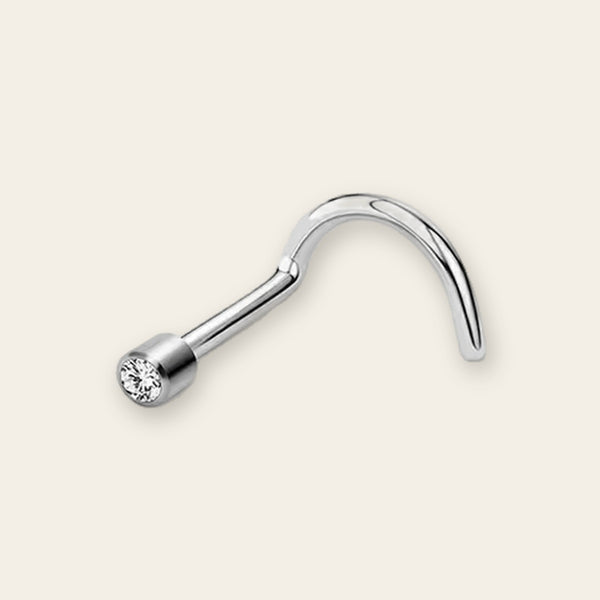
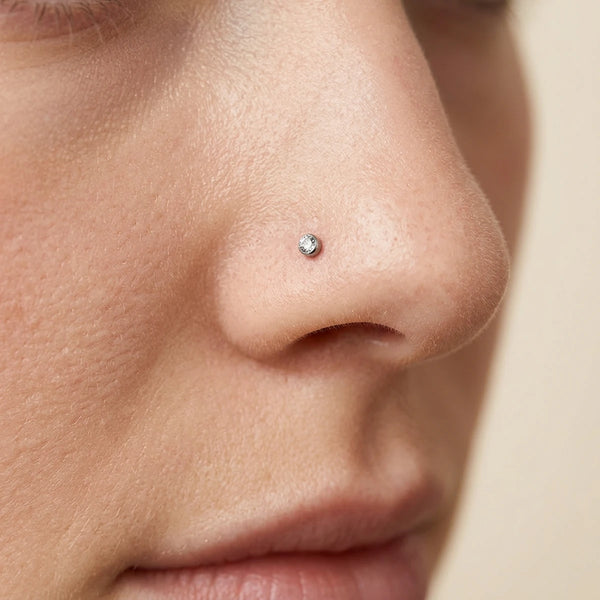
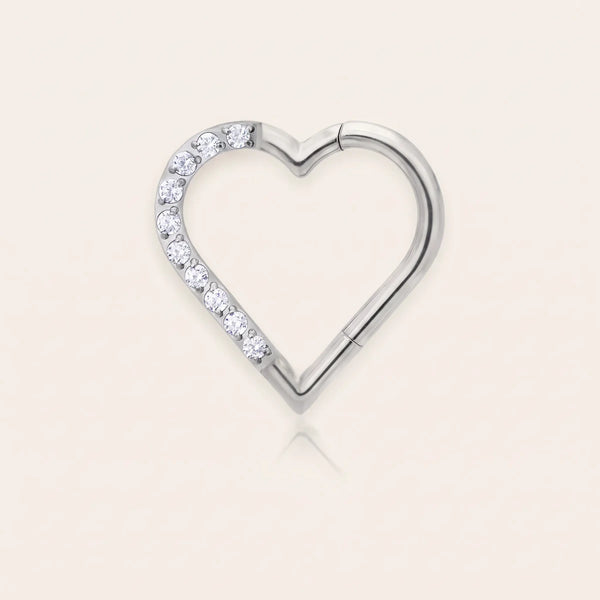
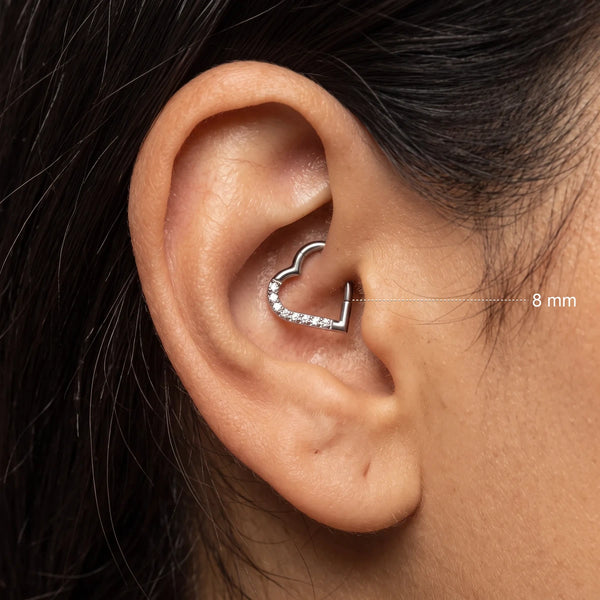
Most piercings heal without ever becoming infected. Keep it clean, keep your hands off, wear a metal your skin can tolerate, and give it time — that's genuinely most of the job.