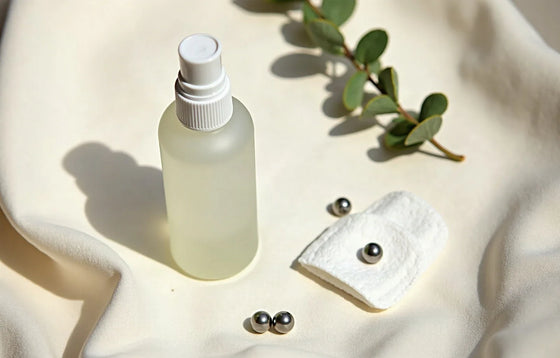
— The guide
Which Piercings Hurt the Most? Pain Levels Explained
A realistic, no-drama pain ranking by placement — what decides it, how each spot feels, and how to make it hurt less.

"Does it hurt?" is the first question almost everyone asks. The honest answer: most piercings hurt far less than people expect, and only for a second or two. But pain does vary by placement — so here's a realistic, no-drama guide to what to expect and how to make it easier.
What actually determines how much a piercing hurts
Pain isn't random. A few things decide it:
- Tissue type. Soft, fleshy spots (earlobe, nostril) are quick and mild. Cartilage (helix, conch, tragus) is firmer, so there's more pressure and a longer heal.
- Nerve density. Some areas simply have more nerve endings.
- The piercer's skill. A clean, confident, single pass with a sharp needle hurts far less than a hesitant one. This matters more than almost anything.
- You. Sleep, stress, an empty stomach and tensing up all turn the volume up. Pain is personal — two people, same piercing, very different experience.
Piercing pain, roughly ranked
Think of this as a rough scale, not a law. Everyone's body is different.
Gentle — a quick sharp pinch
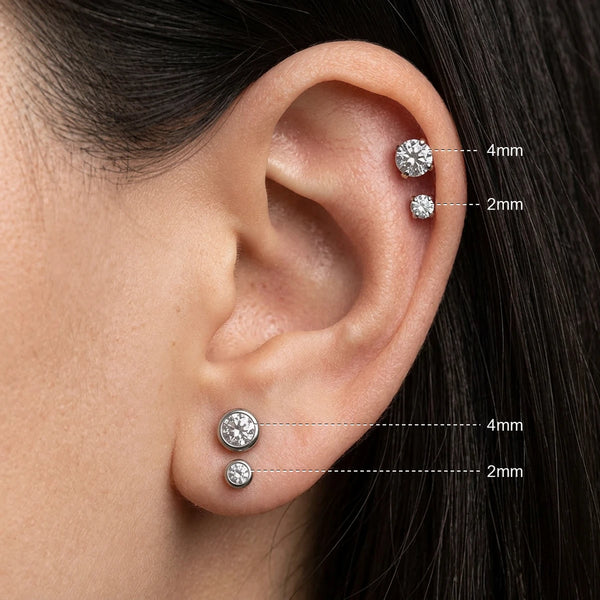
- Earlobe — the classic first piercing, barely a moment.
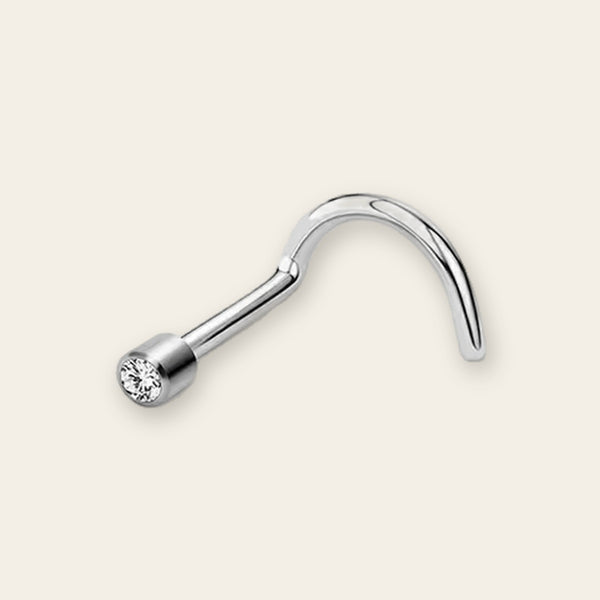
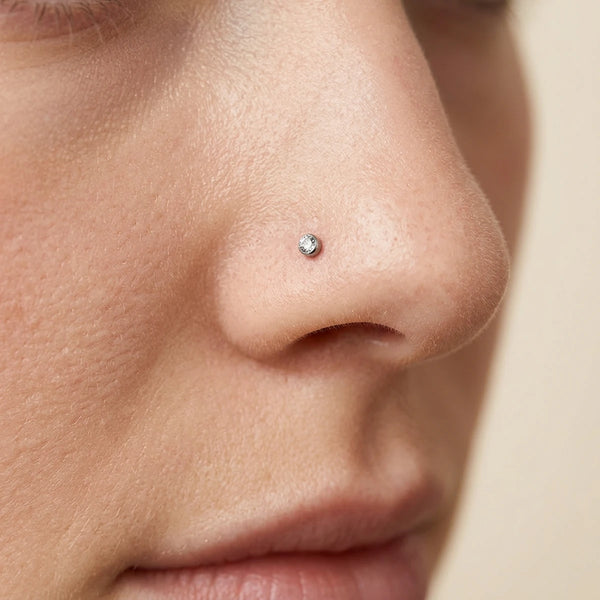
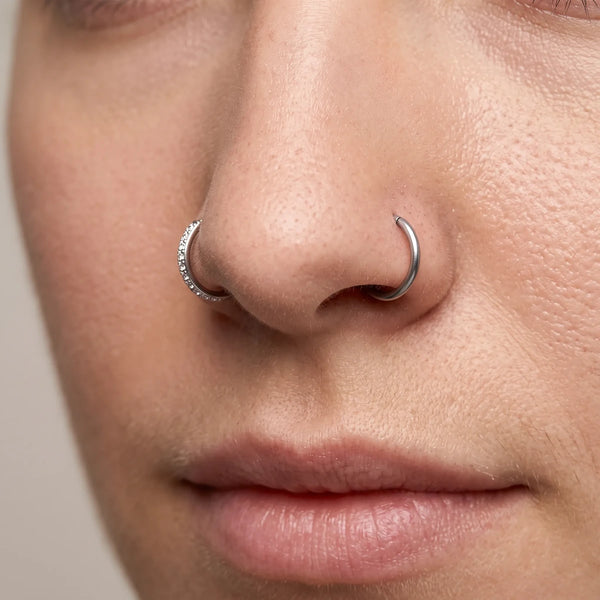
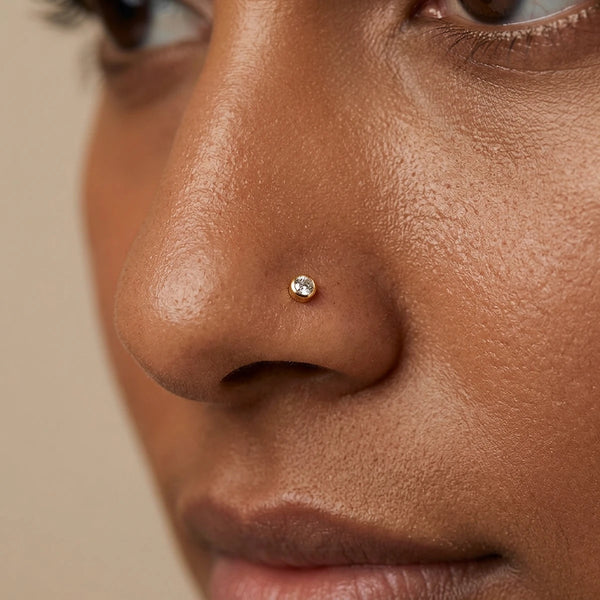
- Nostril — a sharp sting and your eyes may water, over fast.
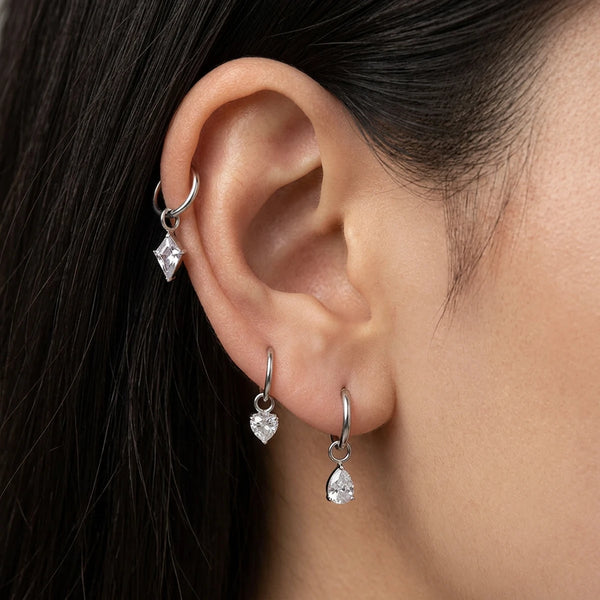
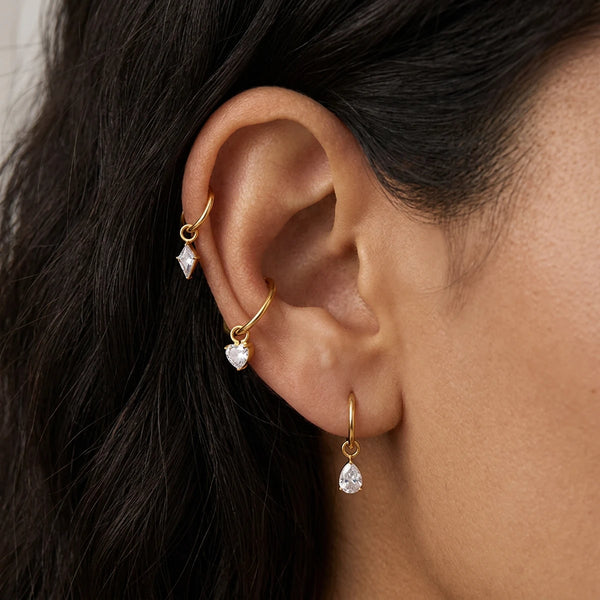
- Helix and outer-ear cartilage — a firm pinch with a bit of pressure.
Moderate — more pressure, still brief
- Tragus and conch — dense cartilage, more of a deep "crunch" feeling than sharp pain.
- Septum — intense for a split second, then a strong urge to sneeze; often less than people fear.
- Navel — a quick pinch, usually milder than expected.
Tougher — short but sharper
- Daith and rook — deep inner-ear cartilage, a strong pressure.
- Industrial — two cartilage points in one, so double the sensation.
- Nipple and tongue — sensitive tissue; brief but memorable.
Does the jewellery affect it?
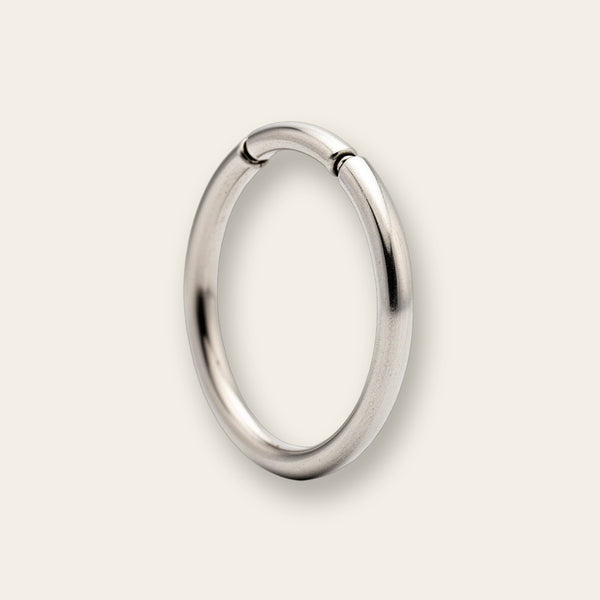
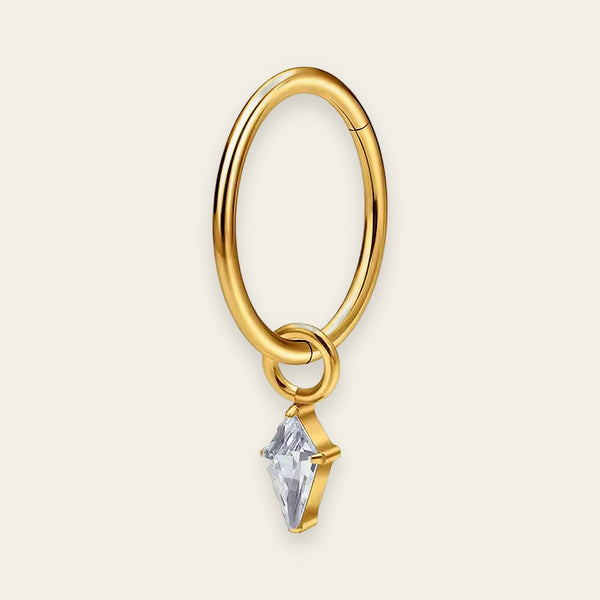
The needle is what you feel, not the jewellery — but what you wear afterwards shapes the healing, which is where most of the real discomfort lives. Heavy or rough jewellery drags on a fresh piercing; a reactive metal keeps it sore for weeks. Light, smooth, implant-grade titanium or solid gold that your skin won't react to makes the whole experience calmer. Our pieces are nickel-free for exactly this reason.
How to make a piercing hurt less
- Go to a reputable, hygienic piercer who uses a needle, not a gun.
- Eat something beforehand and stay hydrated — faintness is usually low blood sugar, not pain.
- Breathe out as it's done, and keep your shoulders loose. Tensing makes it worse.
- Follow clean aftercare so the healing weeks stay comfortable — that's the part most people underestimate.
Gentle placements to start with
If it's your first piercing, or you're not sure how you'll handle it, begin somewhere forgiving and build from there:
- The earlobe — easiest heal, easiest to style later.
- A helix — a quick step up, and the start of a curated ear.
- A nostril — fast, subtle and easy to love.
— Shop this guide


Pick a placement you like, a piercer you trust and jewellery your skin can tolerate, and the pain is a footnote — gone in seconds, and well worth it.