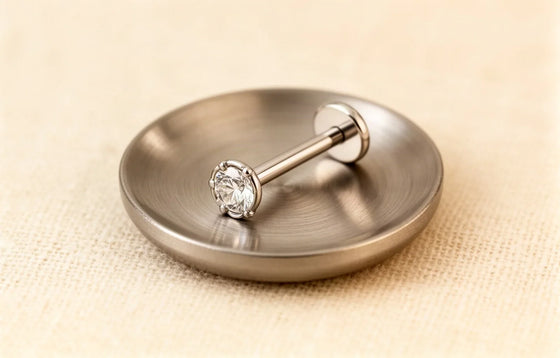
— The guide
Daith Piercing for Migraines: Does It Really Work?
An honest look at the daith piercing for migraines: where the idea comes from, what the research says, and the risks to weigh up.

Few piercings come with a promise as big as the daith piercing for migraines. Search "piercing for migraines" and you'll find thousands of stories from people who say their headaches eased after getting the small fold of cartilage above the ear canal pierced — and just as many who felt no difference at all. So what's actually going on? Here's an honest look at where the idea comes from, what the research says, and how to decide if a daith is right for you.
What is a daith piercing?
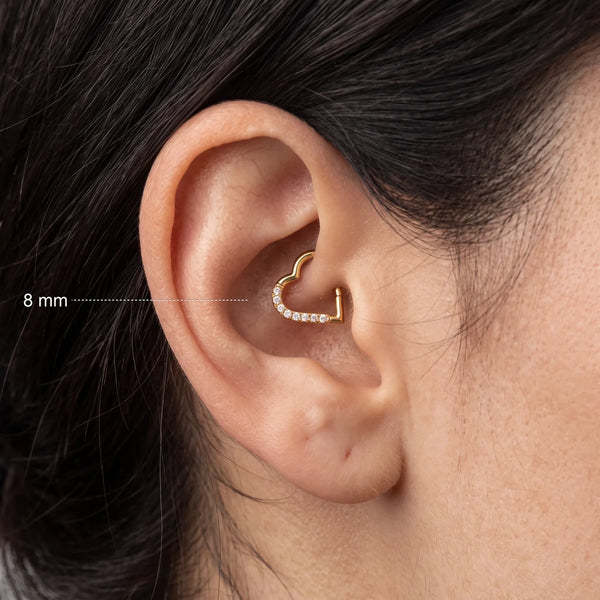
The daith goes through the innermost fold of cartilage in your ear, the ridge just above the opening of the ear canal. It's usually worn with a small hoop or a heart-shaped clicker that hugs the curve of the ear. It sits between the rook above and the tragus in front, and like all cartilage piercings it takes time to heal — usually 6 to 9 months, sometimes longer. Browse styles in our daith piercing collection.
Where the migraine idea comes from
The theory borrows from acupuncture and auriculotherapy. Acupuncturists treat certain points on the ear for headaches, and one of them lies close to where the daith is pierced. The idea is that a piercing works like a permanent acupuncture needle, constantly stimulating that point. A second theory points to the vagus nerve, a branch of which supplies part of the ear: stimulating it, the argument goes, might calm the pain pathways involved in migraine.
Both ideas are plausible-sounding. Neither has been proven for piercings.
What the research actually says
This is where honesty matters. As of today:
- There are no controlled clinical trials showing that a daith piercing prevents or reduces migraines.
- The most-cited publication is a 2017 case report in Frontiers in Neurology describing a single patient whose migraines improved after a daith piercing. The authors themselves noted a placebo effect couldn't be ruled out, and concluded the piercing shouldn't be recommended as a treatment.
- Other evidence comes from small surveys and personal accounts, which can't separate a real effect from placebo, natural ups and downs of migraine, or other changes people make at the same time.
- Headache specialists, including the American Migraine Foundation, do not recommend daith piercings as a migraine treatment, citing the lack of evidence and the risks of a cartilage piercing.
None of this means people who feel better are imagining it. Placebo effects in migraine are real and can be significant. It just means you shouldn't expect a piercing to do what a medical treatment does.
Daith or tragus: which side and which piercing?
You'll see advice to pierce the daith on the side where your migraines usually hit, and some people try the tragus instead, or both. There's no evidence that one side or one placement works better than another. If you're getting a daith anyway, choosing the side your headaches favour costs nothing — but pick a piercing you'll love wearing even if your migraines don't change.
The risks to weigh up
- Healing time. The daith is one of the slowest ear piercings to heal and can stay tender for months.
- Pain. It's thick, deep cartilage — usually rated around 6/10. See our guide on which piercings hurt the most.
- Infection. Cartilage infections are more stubborn than earlobe ones and need prompt attention. Know the signs from our infected piercing guide.
- Bumps and irritation. Earbuds and sleeping on that side can irritate a fresh daith — read up on piercing bumps.
- Cost. A daith with quality jewellery is a real investment; our piercing cost guide gives typical prices.
If you decide to get one
- Go to an experienced professional piercer who uses a needle, never a gun.
- Start with implant-grade titanium (ASTM F136) — it's the most body-friendly option for fresh cartilage. Why it matters is explained in our materials guide.
- Clean with sterile saline only and leave the jewellery alone. Our aftercare and healing guide has the full routine.
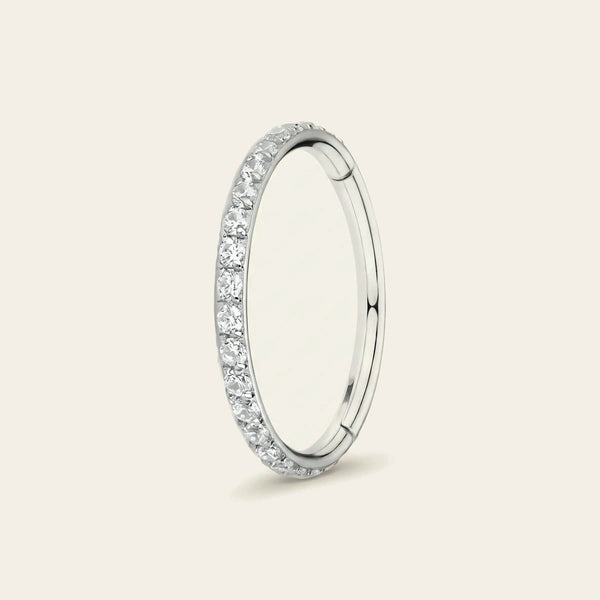
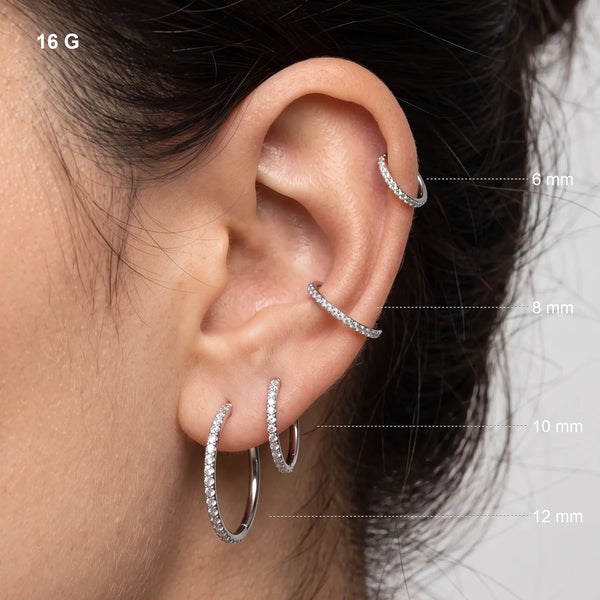
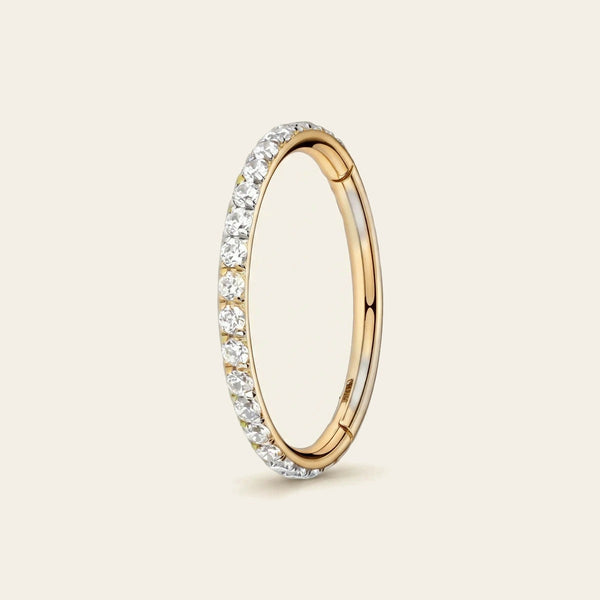
- Wait until it's fully healed before switching jewellery — then a gold daith heart or a fine pavé ring is where the daith really shines.
Frequently asked questions
Does a daith piercing really help migraines?
There's no scientific proof that it does. Some people report fewer or milder migraines afterwards, but there are no controlled studies, and a placebo effect is likely to explain at least part of it. Doctors don't recommend it as a treatment.
Which ear should I pierce for migraines?
Most people choose the side where their migraines usually start. There's no evidence one side works better — so if you want a daith, pick the side you prefer for style.
Is a tragus piercing better than a daith for migraines?
Neither has been shown to work. The daith is the one most often linked to the acupuncture theory, but the evidence is equally thin for both.
How long does a daith piercing take to heal?
Usually 6 to 9 months, sometimes up to a year. Keep the original jewellery in until it's fully healed and avoid earbuds and sleeping on it.
— Shop this guide
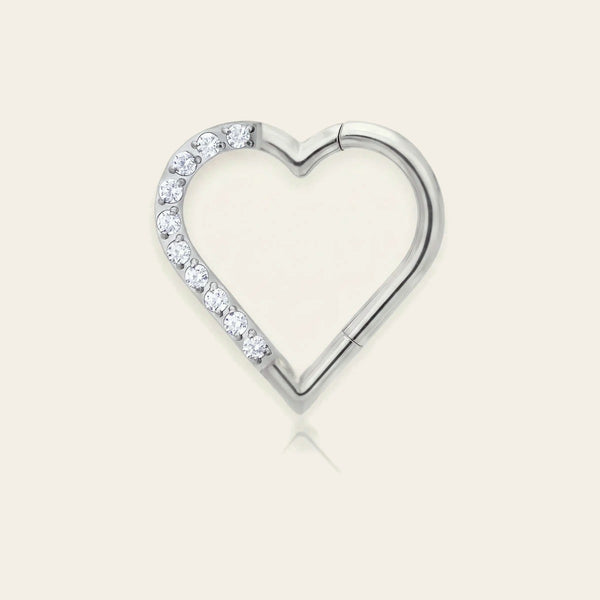
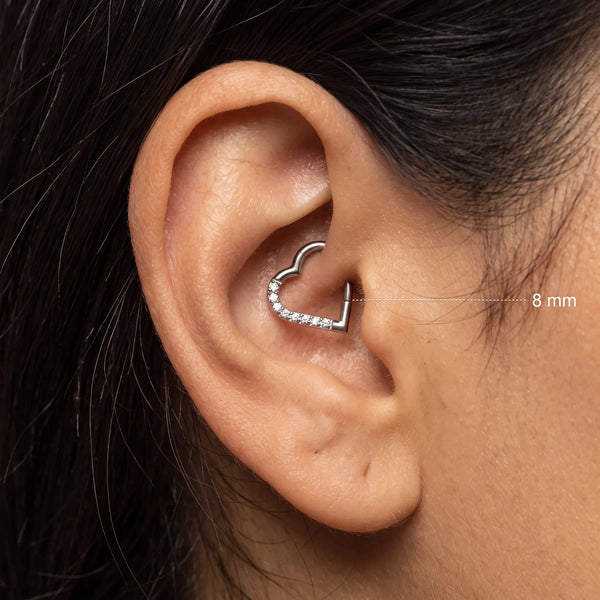
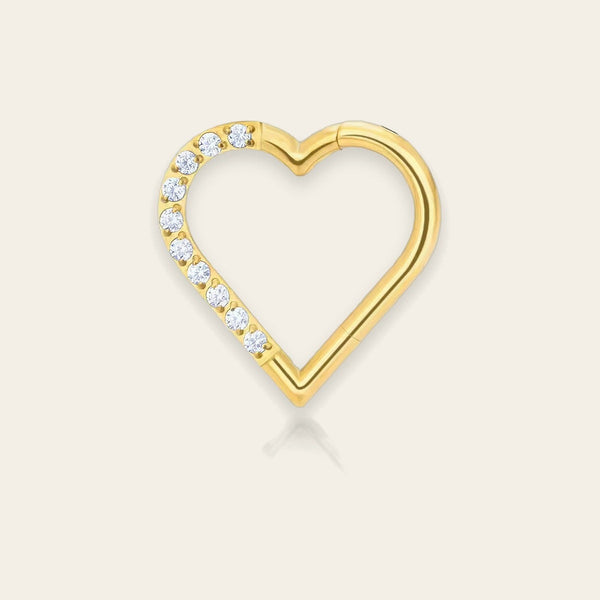
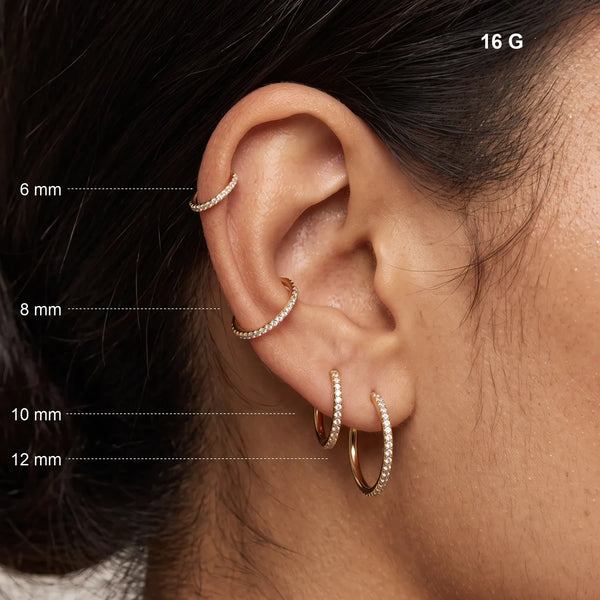
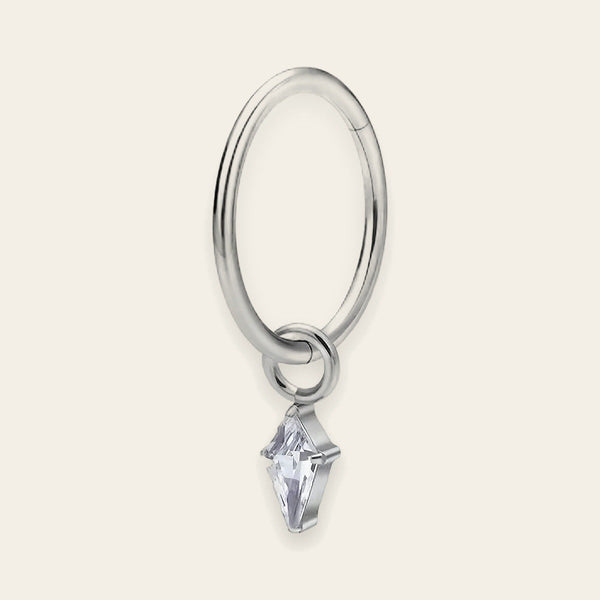
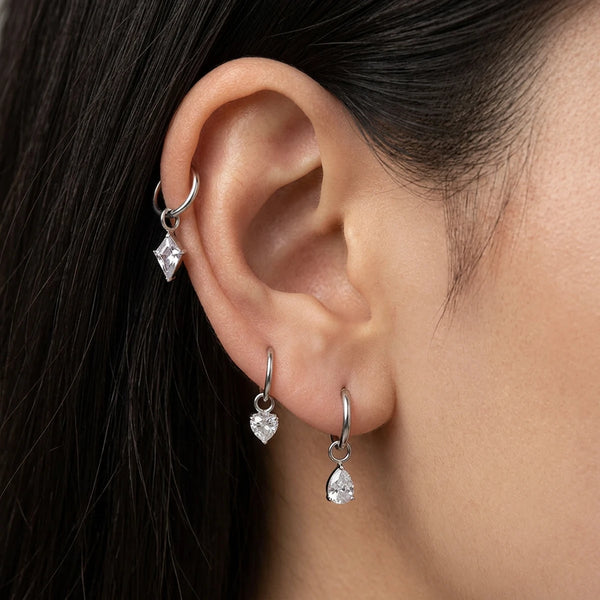

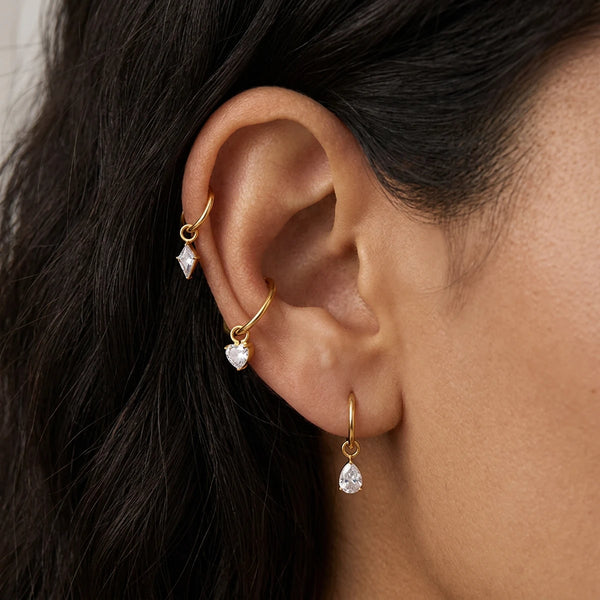
Get a daith because you love the look — a delicate curve of titanium or gold right at the heart of the ear. If your migraines ease as well, that's a welcome bonus. Just keep your doctor in the loop for the migraines themselves.