
— The collection
Titanium Piercing Jewellery
Implant-grade ASTM F136 (G23) titanium — nickel-free and hypoallergenic, for every piercing.
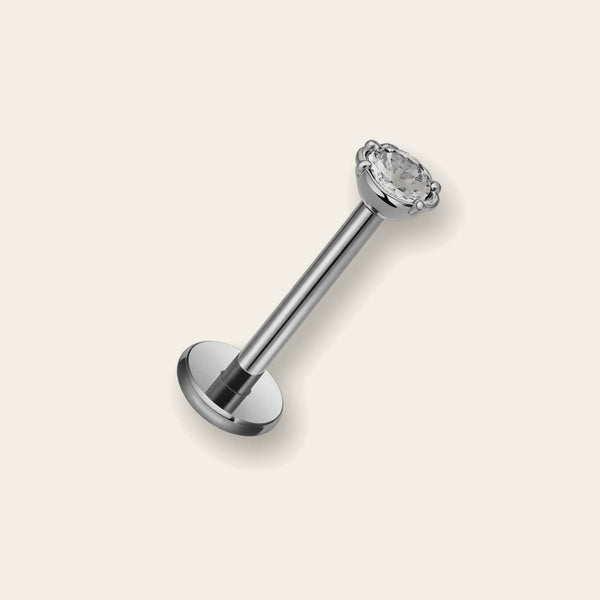
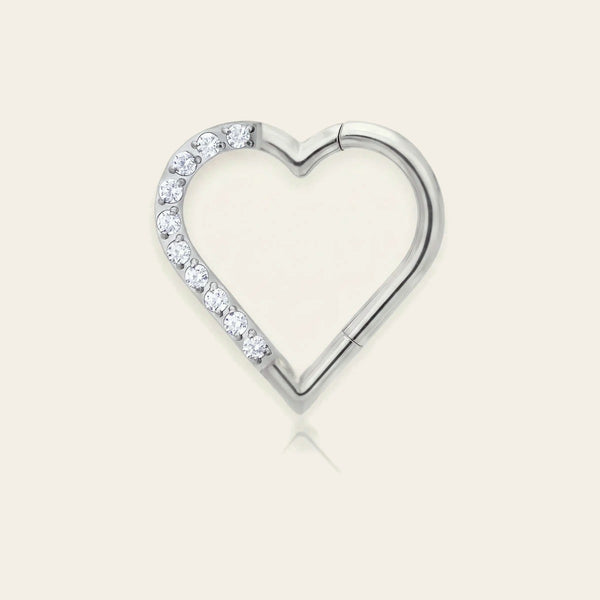
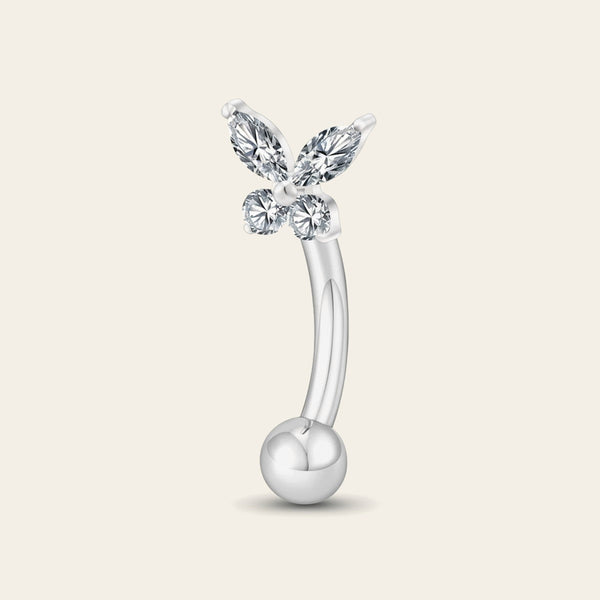
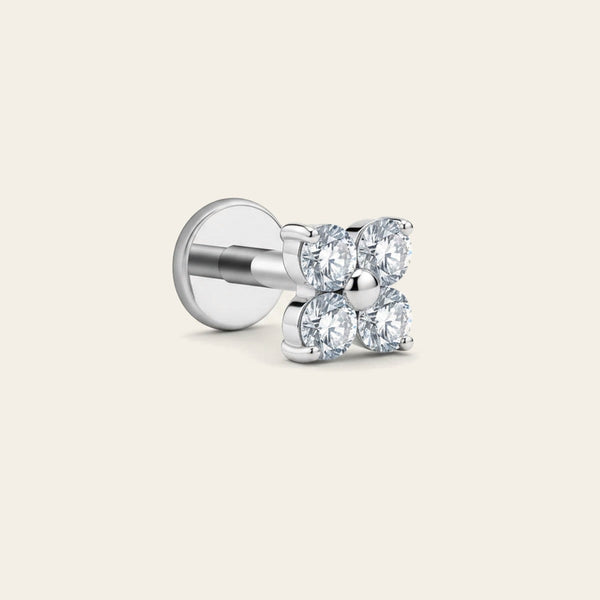
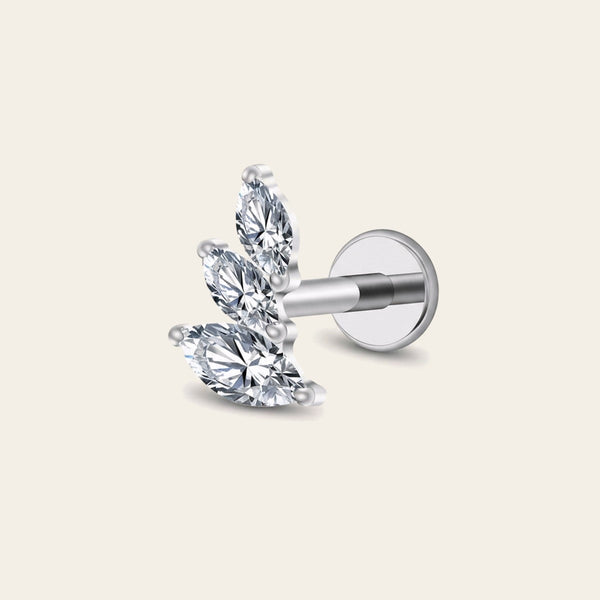
Titanium piercing jewellery, made the way a piercing deserves. Every piece here is machined from implant-grade ASTM F136 titanium (G23) — nickel-free, cobalt-free and biocompatible, the material piercers trust for a fresh or sensitive piercing. It heals calmly, it doesn't react, and it keeps a clean polished shine day after day.
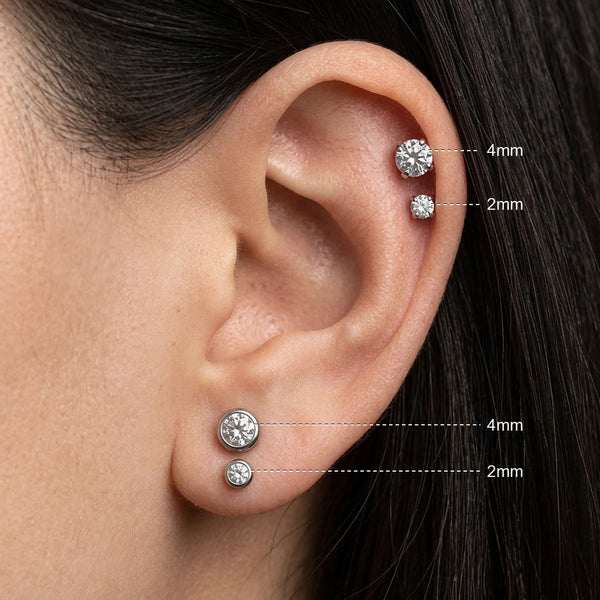
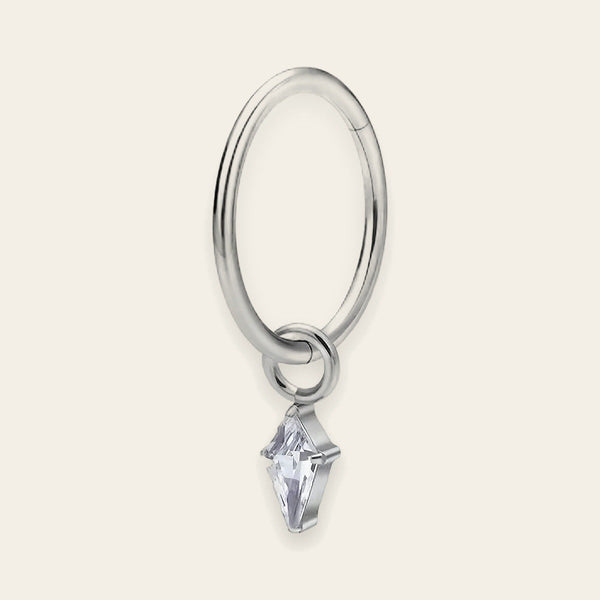
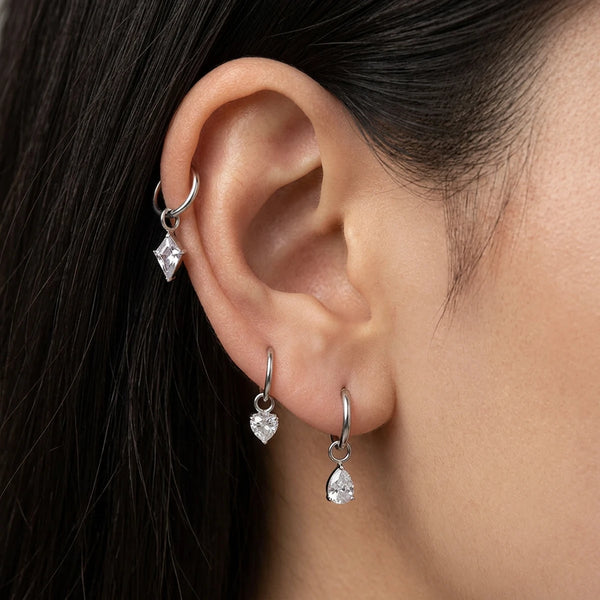
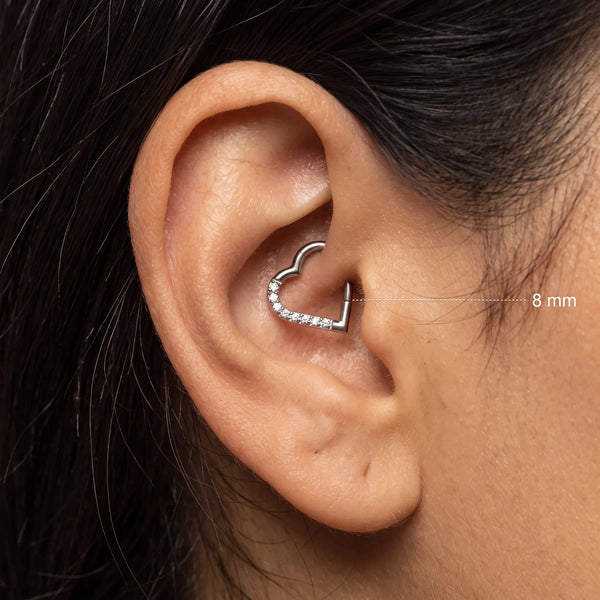
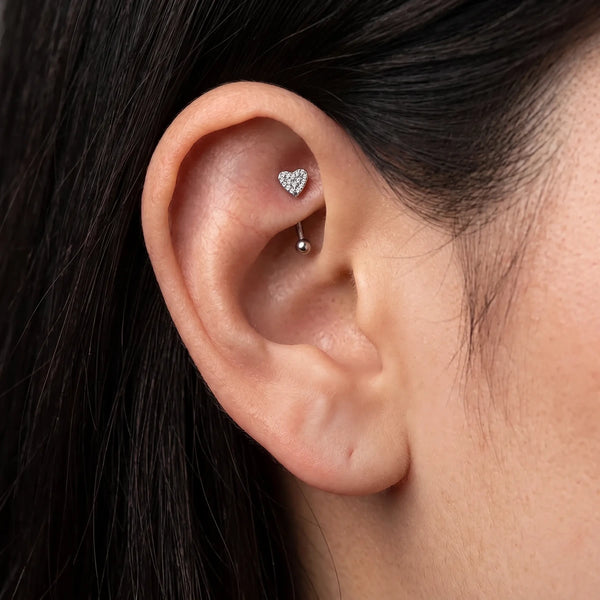
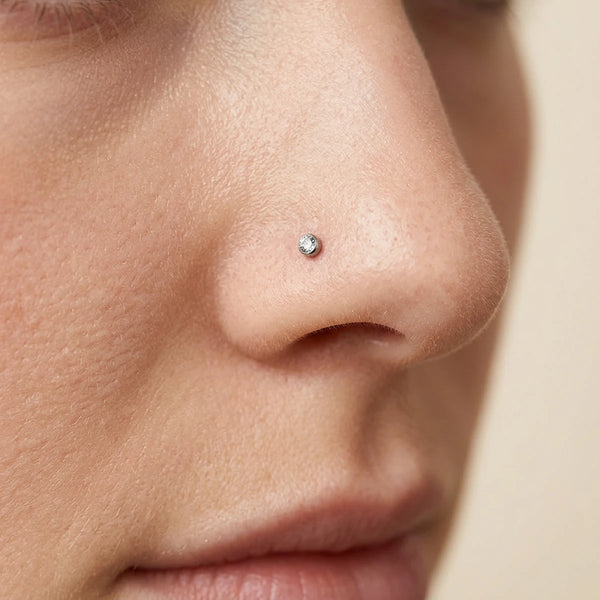
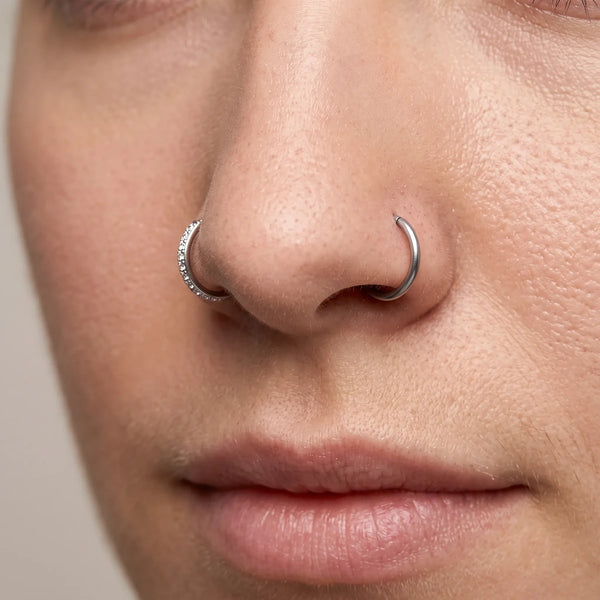
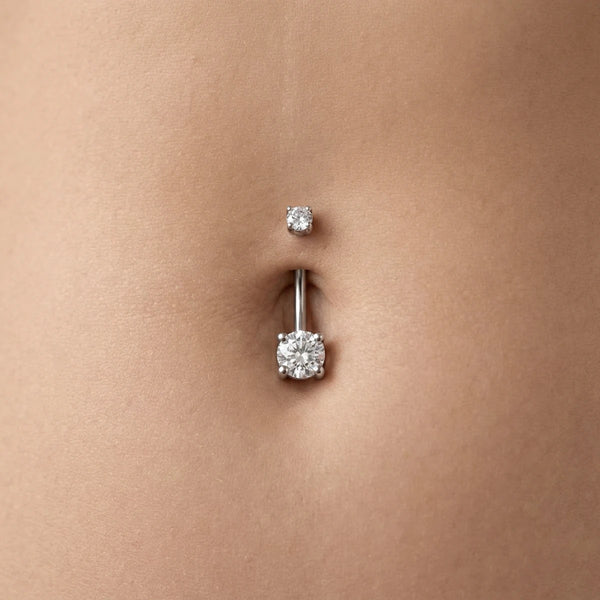
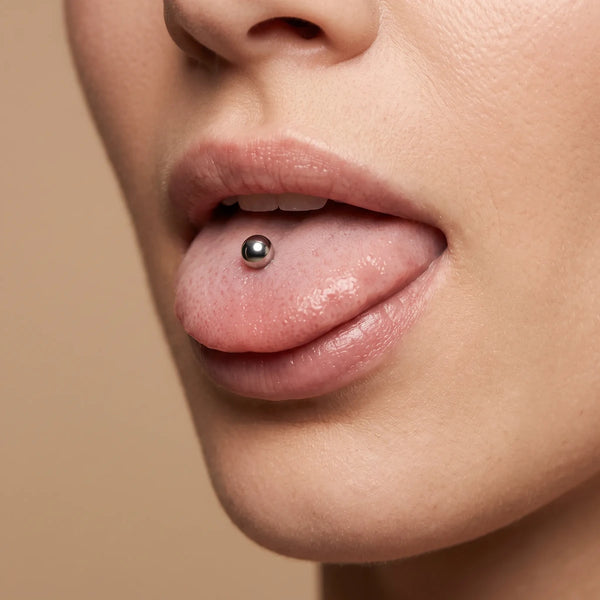
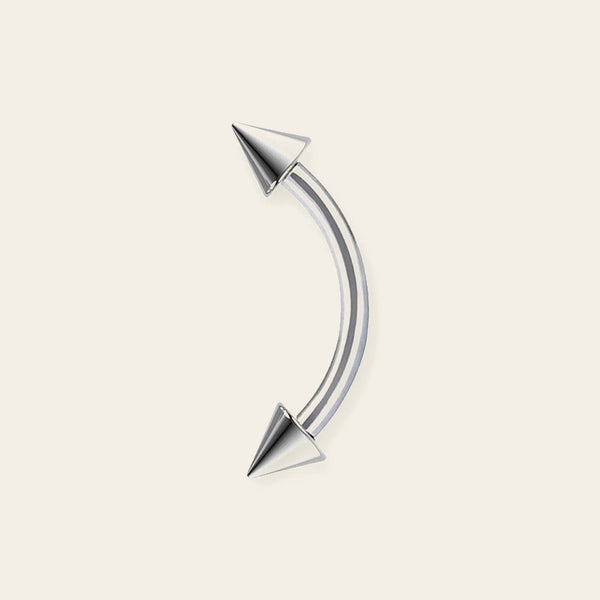
From labrets and nose studs to segment rings, barbells and hoops, you'll find titanium piercings for every placement — ear cartilage, nose, lip, septum, navel and more. Pick your gauge and length, and build a piercing wardrobe that's as kind to your skin as it is to look at. Prefer a warm tone? See the gold finish.
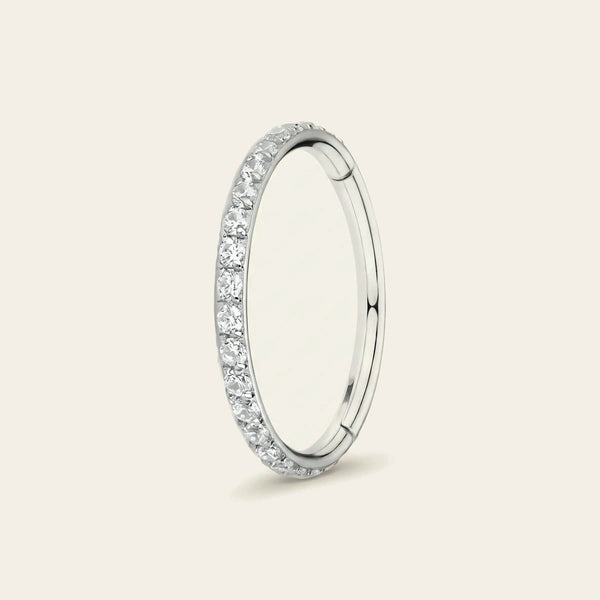
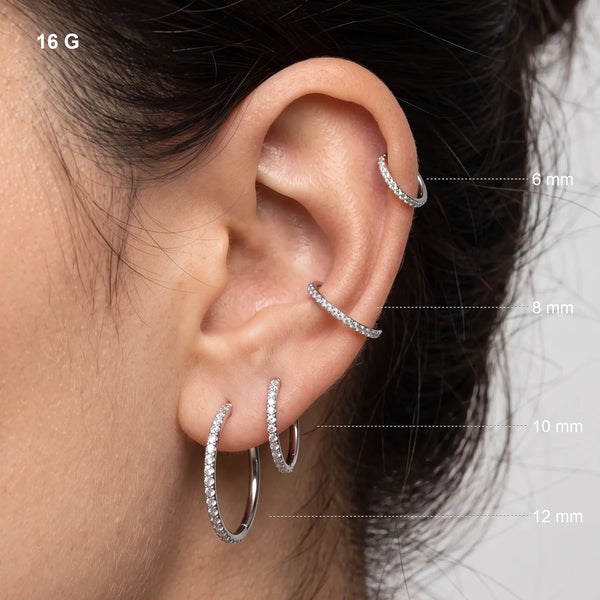
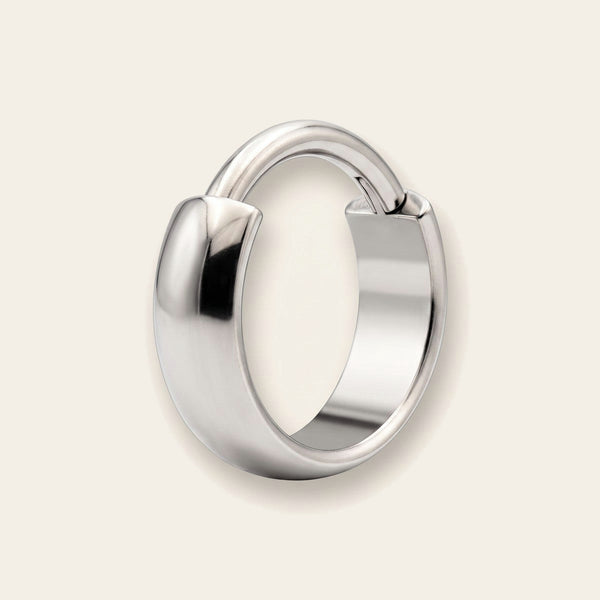
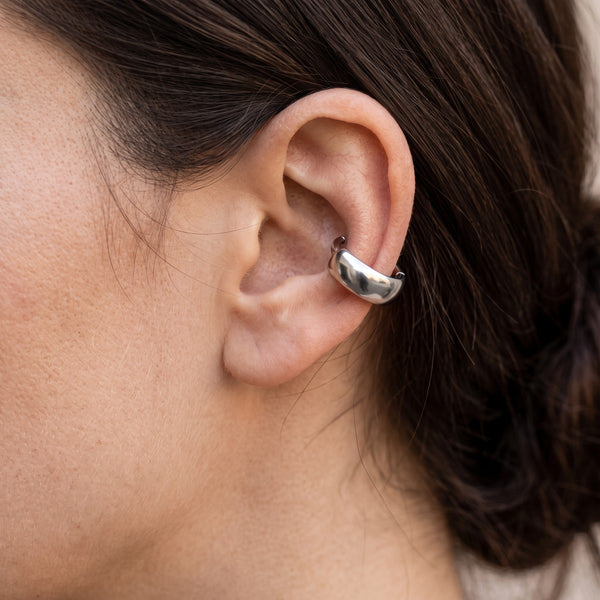












Why titanium is the safest metal for a piercing
For a fresh or sensitive piercing, the metal matters more than the design. Implant-grade titanium is the metal body-piercing professionals recommend first, because it is biocompatible, extremely light and — crucially — nickel-free. Nickel is the most common cause of piercing irritation and contact allergy, so removing it removes the main reason a piercing turns red, itchy or bumpy.
What "implant-grade G23" actually means
Not all titanium is equal. Ours is ASTM F136, grade 23 (G23) titanium — the same certified alloy used for surgical implants. It is tested to contain no free nickel and has a smooth, polished finish so nothing catches in a healing channel. When a piece is labelled only "titanium" with no grade, there is no guarantee; the grade is what makes it safe for a wound.
Titanium for every placement
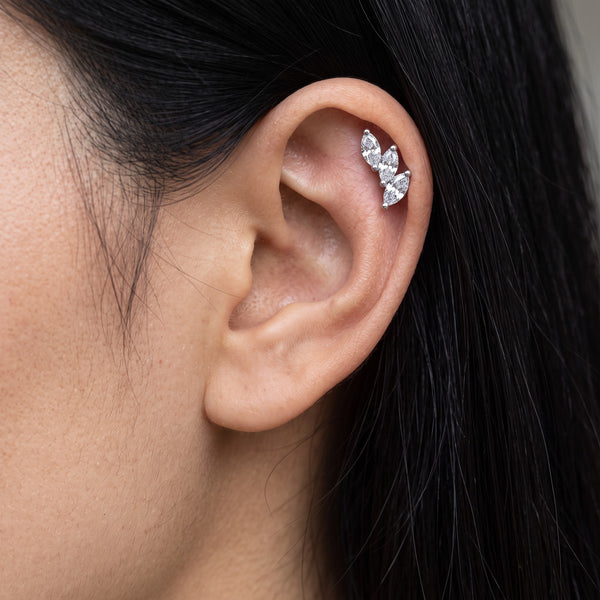
Because it is hypoallergenic and light, titanium suits every piercing we make — from a fresh helix or conch in the ear, to a nostril, a septum, a navel or a nipple. It is especially worth it where a reaction would be hard to heal: deep cartilage folds, surface piercings and oral piercings all do best in titanium.
Titanium or gold?
Heal in titanium, then choose. Titanium is the right metal while a piercing is new, reactive or still settling. Once it is fully healed you can switch to a gold finish for a warmer tone — and because our gold is PVD-plated over the same G23 titanium base, you keep the hypoallergenic properties either way. More in which material for your piercing.